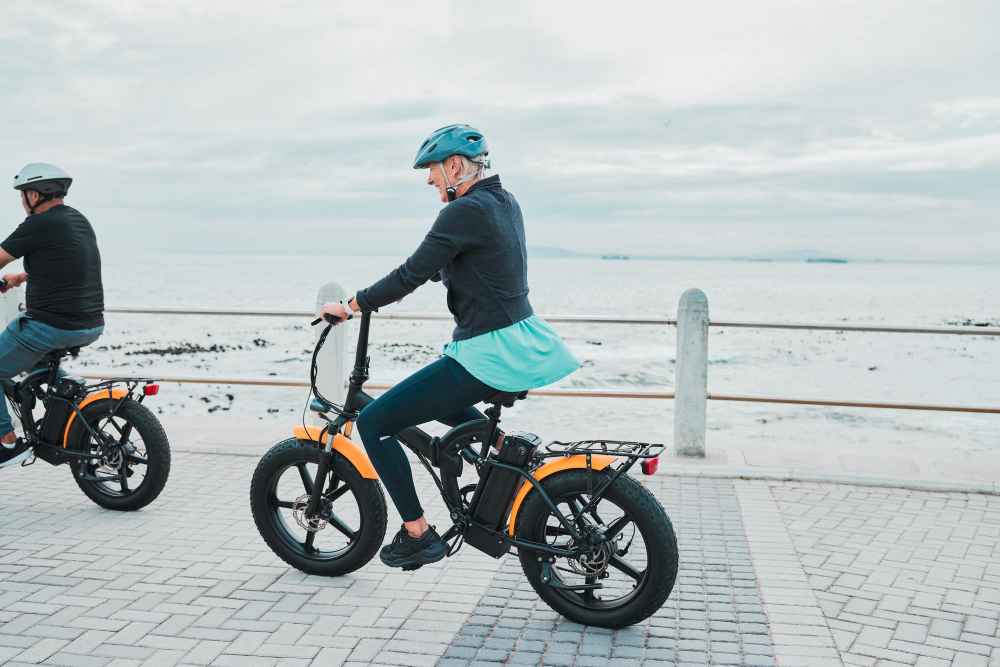


Electric bikes are becoming a revolutionary mode of transportation due to their unique combination of convenience, environmental advantages, and health benefits. These bikes not only help you enjoy outdoor activities but also address many of today’s urban mobility challenges.
When riding an electric bike, you need to understand the legal requirements to avoid legal issues and promote a safe riding experience. You need to check whether you require a licence for your e-bike and verify the maximum permitted power output. In this guide, we will cover the UK regulations on whether you need a licence to ride an e-bike or not.
What Is an Electric Bike?
An electric bike is built like a conventional bicycle but equipped with a motor that assists in pedalling. A rechargeable battery powers the motor of this e-bike, which is typically located in the bike’s centre or rear. A torque sensor detects the effort you apply and provides consistent assistance without taking over. These bikes are increasingly popular and accessible to a wider audience due to advances in design and technology.
What Are the Licence Requirements for E-Bikes?
You must understand the key requirements and electrically assisted pedal cycle (EAPC) standards that determine whether you need a licence. Requirements for electric bicycles can vary significantly by country, state, and local laws.
Under United Kingdom regulations, e-bikes with a 250W motor power and a maximum speed of 15.5 mph (25 km/h) do not require a driving licence, registration, or insurance. It is treated like a regular bicycle, provided the motor only assists when pedalling, and you are at least 14 years old; helmets are recommended.
These e-bikes may be ridden on paths and in all areas where conventional bicycles are legal, but must not be ridden on roadways.
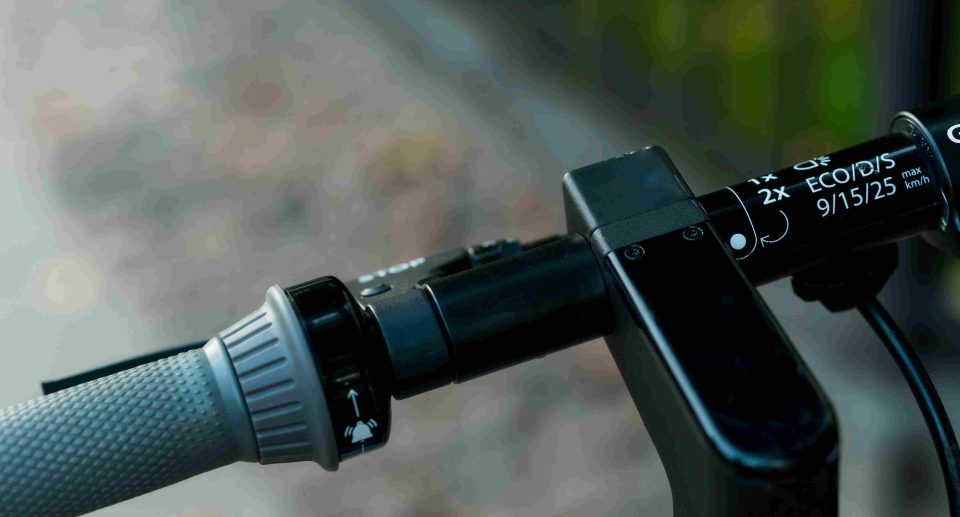
E-bikes include a walk-assist mode that allows motor operation without pedalling and is strictly limited to a walking speed of up to 4mph (6 km/h). According to UK law, these bikes must comply with the same regulations as traditional bicycles.
The key points for defining an e-bike or EAPC care are:
- 250W motor power and 15.5mph (25 km/h) assist limit
- Functional breaks, lights, reflectors
- Riders must be 14+
- Electrical safety and mechanical testing
- Pedals must be actively used
You must register the e-bike and pay applicable taxes if it does not meet EAPC standards.

What Is UK Law Regarding Different E-Bike Types?
In the UK, whether you need a licence depends on your bike’s power output. E-bikes are governed by specific regulations based on two types: pedal-assist electric bikes, also known as electrically assisted pedal cycles, and throttle-controlled e-bikes.
Pedal-Assisted E-Bikes
When you ride pedal-assist e-bikes, an electric motor assists your pedalling, with a maximum power output of 250 watts. When the bike reaches 15.5 mph (25 km/h), the electric assistance is disabled. These bikes perform like traditional bikes under the law, and therefore, you do not require a licence to ride these pedal-assist e-bikes.
Throttle-Controlled E-Bikes
If you ride throttle-driven e-bikes that function like regular e-bikes but use a motor to propel them without pedalling. Unlike pedal-assist e-bikes, these e-bikes are subject to different regulations but require no licence.
These e-bikes are regulated differently from pedal-assist e-bikes, but they do not require a licence. You must be at least 14 years old to ride one legally. Your bike needs to be registered, and wearing a helmet is required.
Conclusion
E-bikes have become a popular mode of transportation in the UK. For most electric bikes, including pedal-assisted models, you do not require a licence to ride. However, for public safety and to encourage sustainable transportation, you must be aware of the regulations governing the type of e-bike you choose and the level of pedal-assist motor power.