
The growing popularity of electric bikes, also known as e-bikes, is changing the way people commute, exercise and travel short distances. They offer motor assistance while still functioning like traditional bicycles. Many e-bike riders ensure that they understand which types are allowed on public roads due to the differences between manufacturers and models.
There are many different types of electric bikes with their own specific requirements for road use, depending on the motor power, speed limit and how the motor is operated.
This blog explains which e-bikes are road-legal, what features make an electric bike compliant with the law, and how to choose the right e-bike for safe, legal riding.
What Is an Electric Bike?
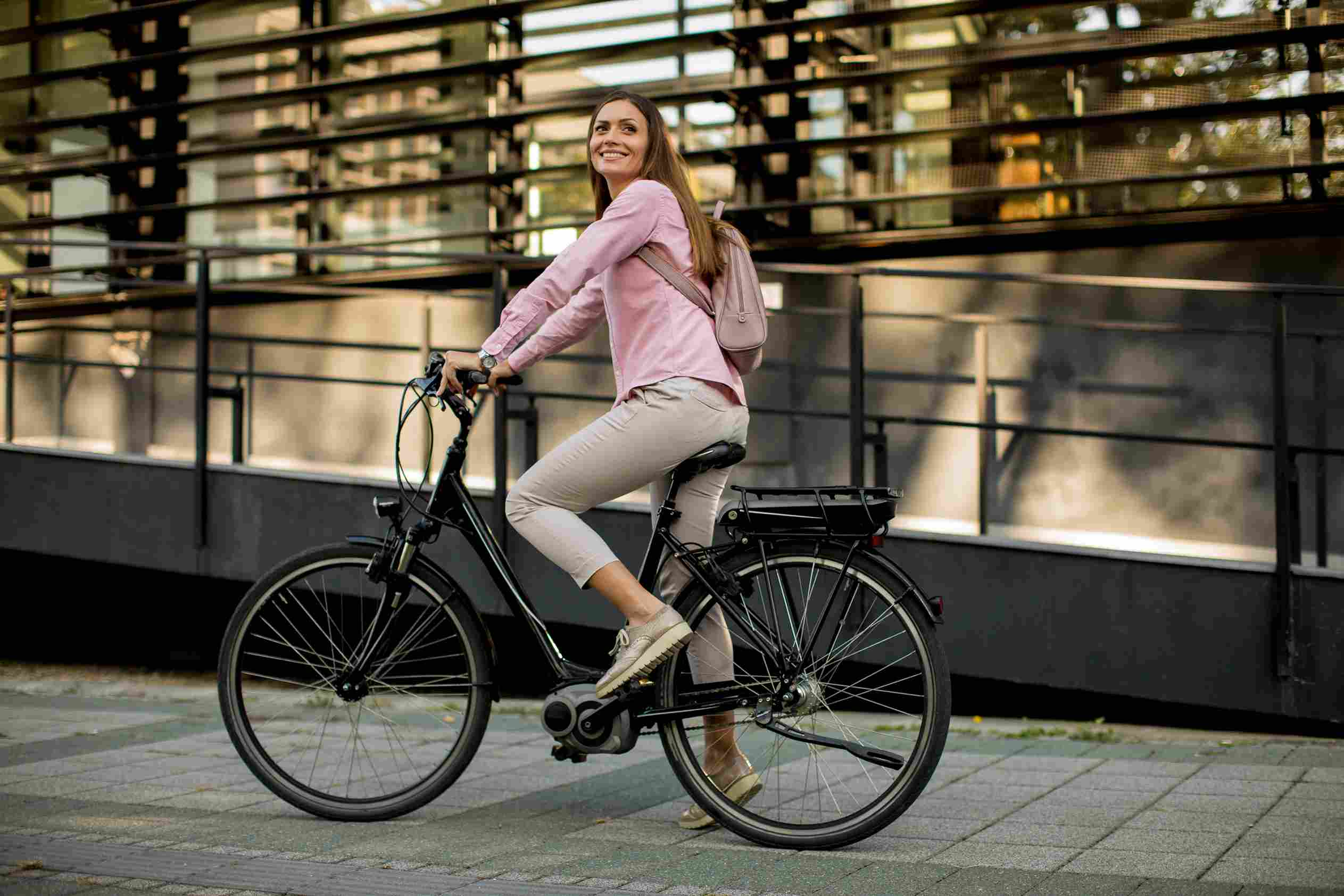
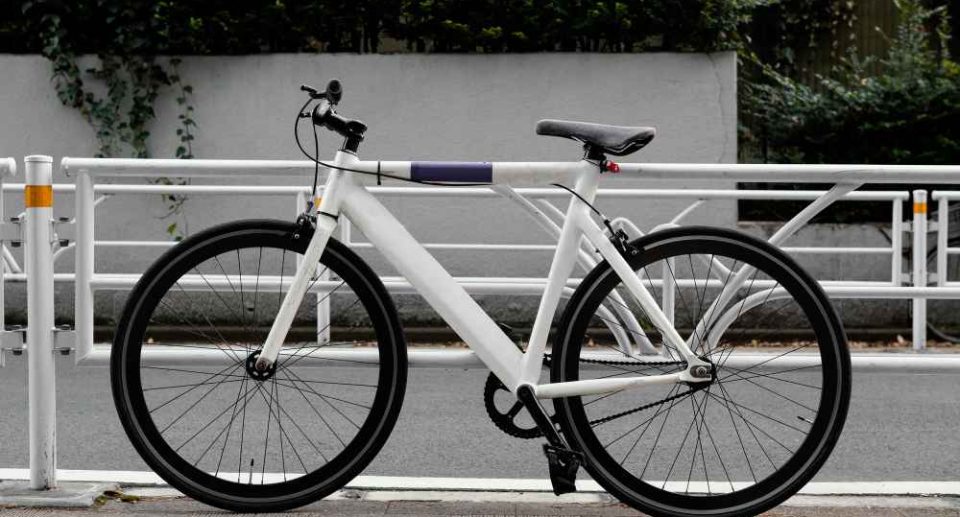
An electric bike is a bicycle with an electric motor embedded, which assists pedalling. In many ways, they look like a traditional bicycle. However, they give you additional pedalling power, making everyday cycling easier and less tiring.
Motors do not replace pedalling completely. Instead, they assist when you start riding uphill or when you travel long distances. Because of this, they are an excellent choice for anyone who would like to cycle but needs a little extra help.
E-bikes run on a rechargeable battery. Once the battery is charged, it can support your ride for several kilometres, depending on the bike and riding conditions. If the battery runs out, an electric bicycle operates just like a traditional bicycle.
Which Electric Bikes Are Road Legal?
Electric bikes that meet basic legal and safety regulations are allowed on public roads. These regulations include the following:
- Pedal-assist electric bikes, where the motor works only when you pedal.
- Low-power e-bikes are designed to stay within legal motor limits.
- Speed-restricted e-bikes that stop motor support after reaching the allowed speed.
- E-bikes without full-time throttle use are allowed in most regions.
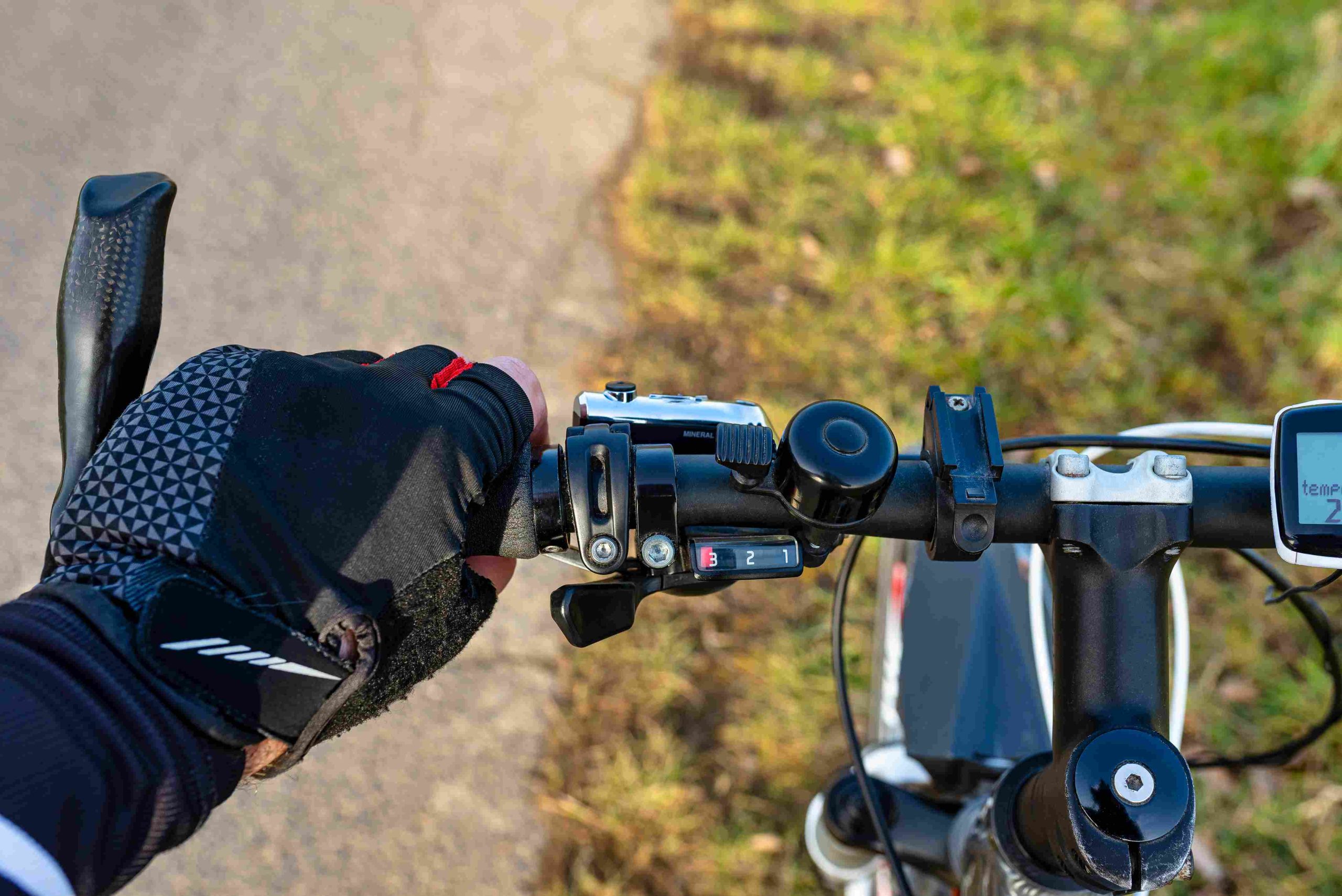
- Electric bikes with basic safety features like brakes, lights, and reflectors.
What Makes an Electric Bike Road Legal?
An electric bike must meet certain requirements to run on a public road. These regulations include:
- Limited Motor Power: The motor power is restricted so that the bike does not function like a motorcycle.
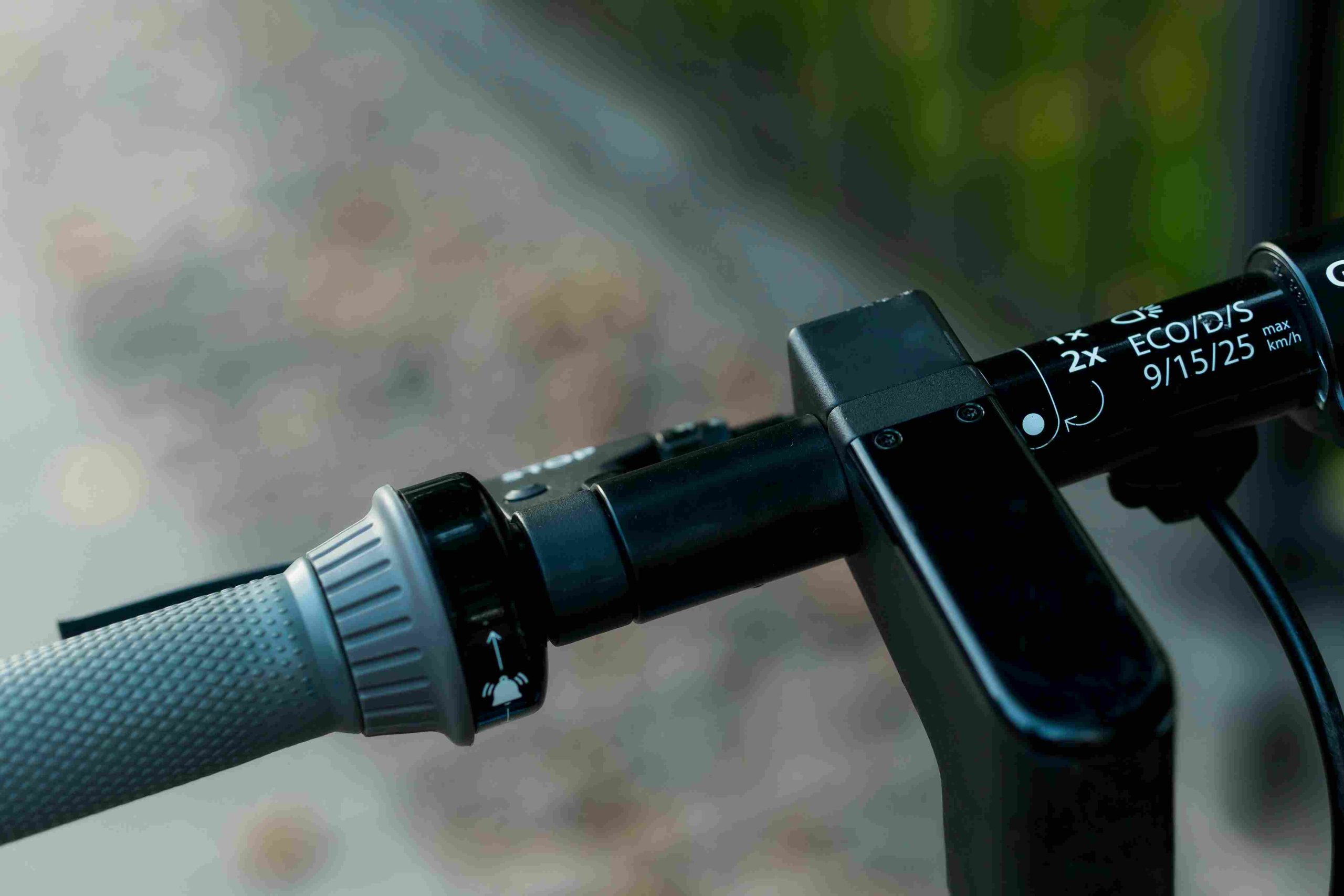
- Speed limit Control: Motor assistance automatically stops after reaching a set speed.
- Pedal Assistance: The motor works only when the rider pedals, supporting natural cycling.
- No Full-Time Throttle: Most road-legal e-bikes cannot move using the throttle alone.
- Basic Safety Features: The bike must have working brakes, lights, and reflectors for road safety.
Types of Electric Bikes
Electric bikes come in different types based on how the motor works and how they are used. Knowing them helps riders choose the right e-bike for their needs.
Pedal Assist Ebike
Pedal-assist ebikes help you with additional motor support only when you pedal. The motor helps you ride faster and with less effort, especially on slopes or long distances. These ebikes feel close to traditional bicycles and are commonly allowed on public roads.
Throttle-Based E-bike
These e-bikes feature a throttle system that allows the bike to move without pedalling. You simply twist or press the throttle to activate the motor. These bikes offer greater convenience but may face legal restrictions in some areas because they can be operated like a motorbike.
Speed Pedelecs
Speed pedelecs are high-speed electric bikes that offer stronger motor assistance and higher top speeds. They are designed for long distances and fast commuting. Due to their speed, they are often treated as motor vehicles and may require registration, licensing, or safety gear.
Cargo Electric Bikes
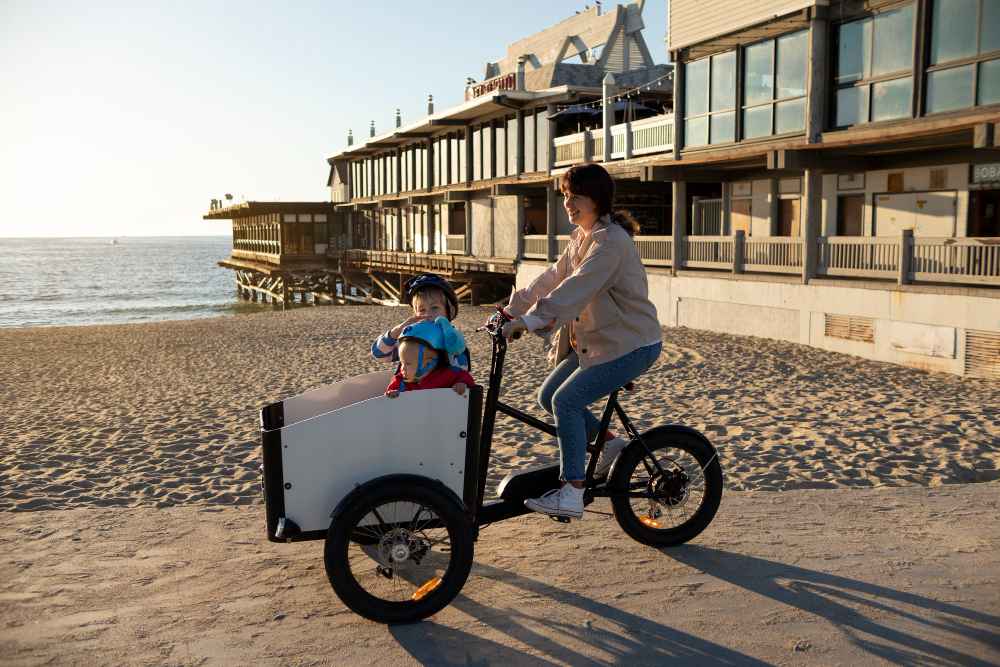
Cargo e-bikes are built to carry heavy loads. They have strong frames and powerful motors to handle extra weight. These bikes are commonly used for deliveries and family transportation.
Folding Electric Bikes
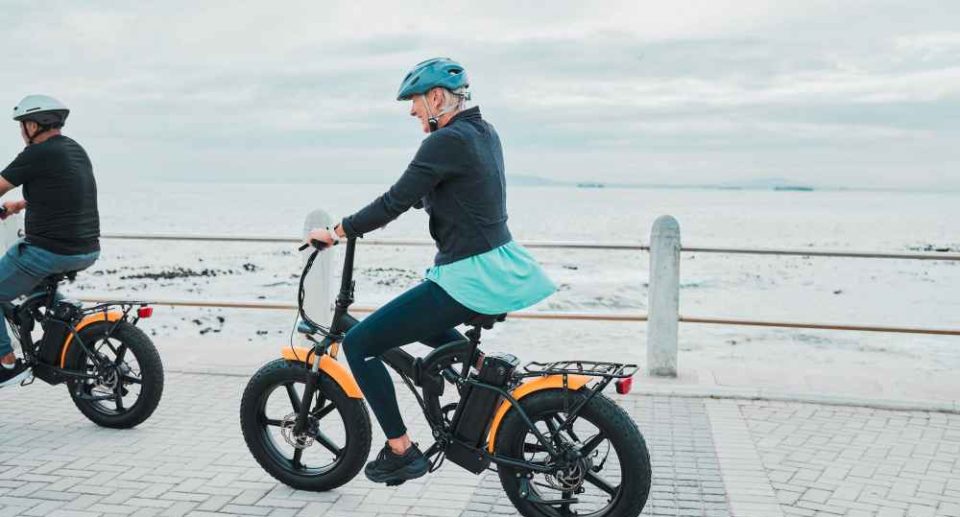
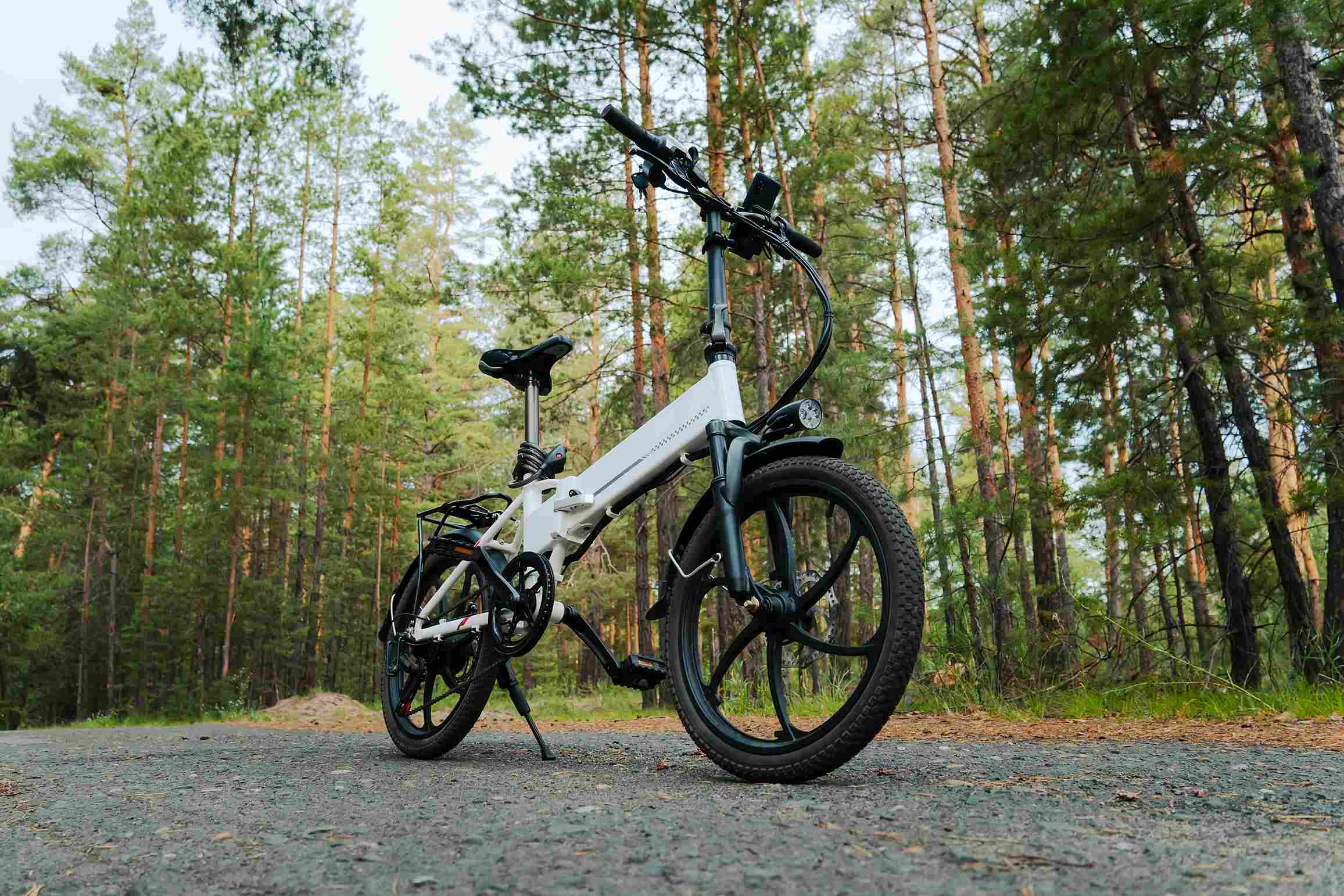
Folding e-bikes are compact, making them easy to carry and store. They can be folded and taken on public transport or kept in small spaces. They are ideal for city commuters with limited storage space.
Electric Mountain Bikes
They are designed for off-road and rough terrain. They come with strong suspension, wider tyres, and powerful motors to handle trails and hills. These bikes are best suited for adventure and outdoor riding.
Final Thoughts
Road-legal electric bikes provide a convenient and eco-friendly way to travel while following traffic laws. Understanding the types of e-bikes and the features that make them legal, such as motor power, speed limits, pedal-assist, and safety equipment, helps riders choose the right bike. By selecting a road-legal e-bike and checking local regulations, you can enjoy safe and responsible cycling on public roads.