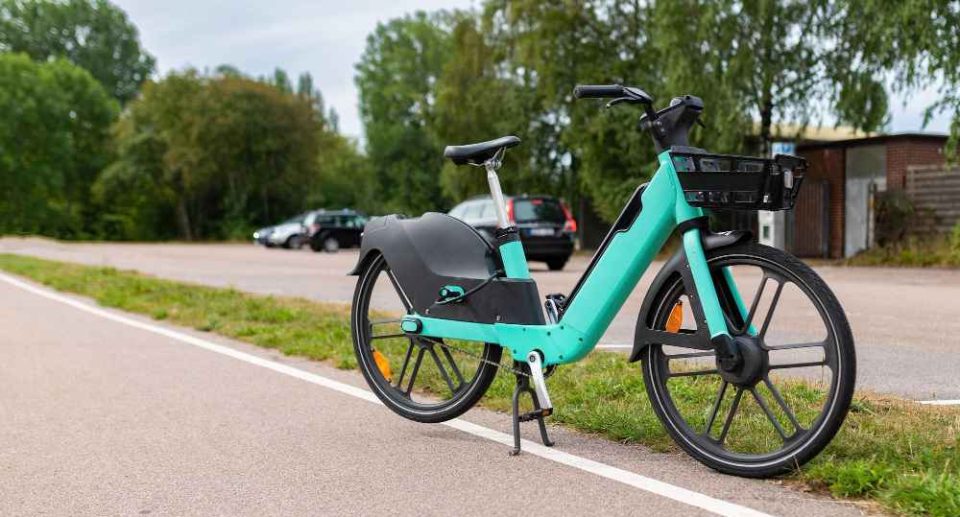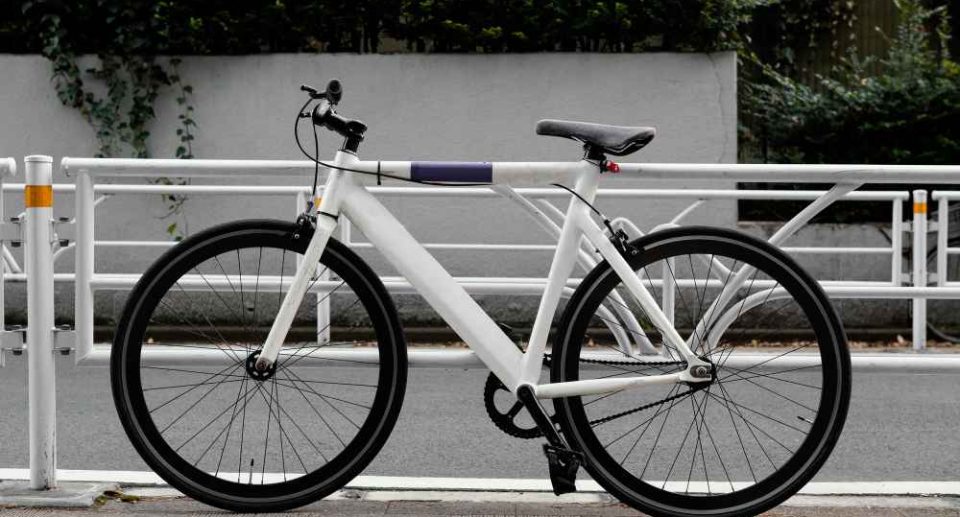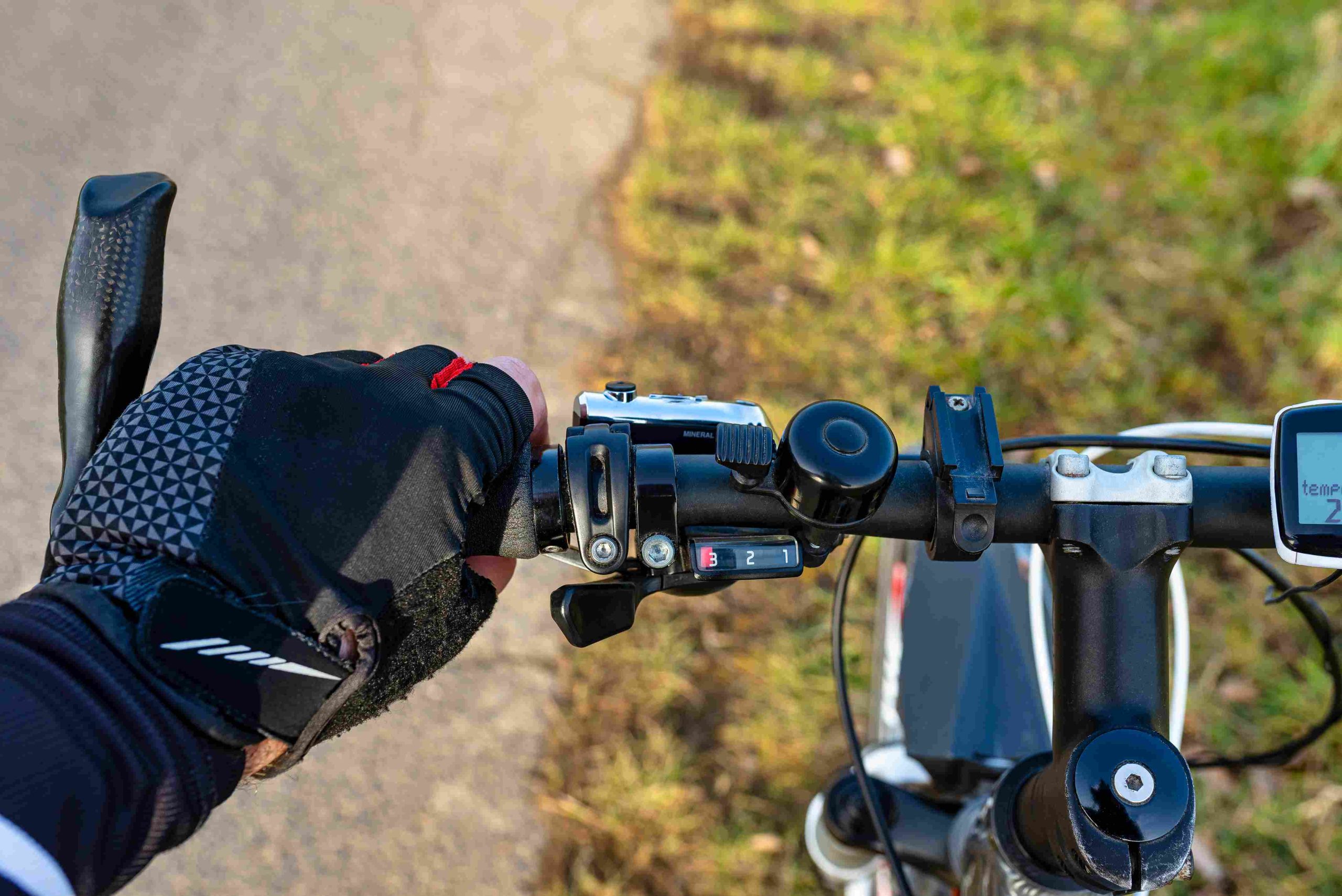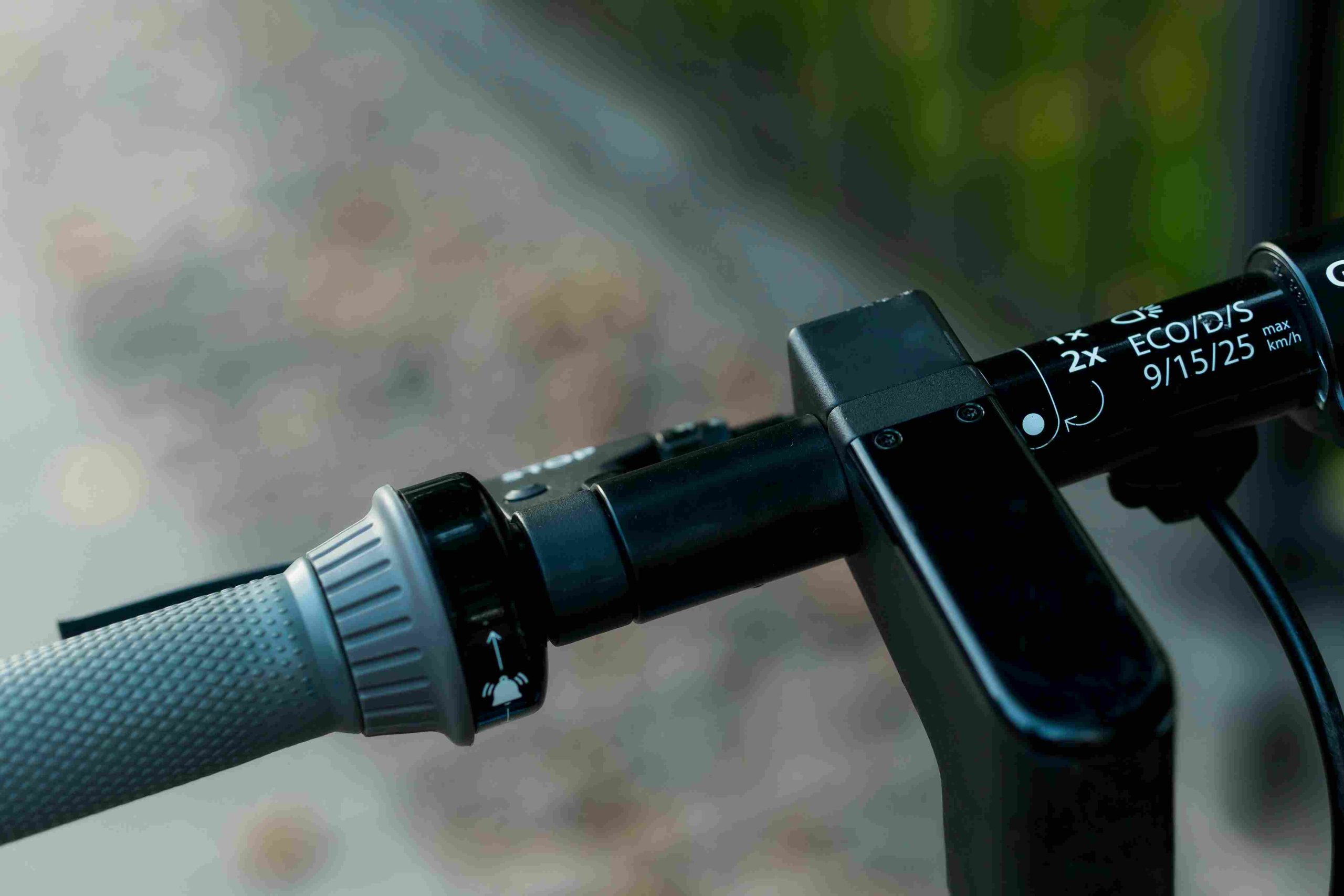

Introduction: The Rising Cost of Electric Bikes
Electric bikes often trigger the same initial reaction, ‘Surprise at the Price Tag’. They appear familiar, ride smoothly, and offer the allure of greater freedom with less effort. Yet their cost aligns more closely with small vehicles than with traditional bicycles. This pricing gap has ignited debate among commuters, casual riders, and cycling enthusiasts alike, prompting us to reconsider notions of value, perception, and what we truly invest in when opting for electric assistance.
The answer is not as straightforward as it seems. Behind the sleek frames, a quiet yet intricate tale of innovation, expectations, and shifting mobility unfolds, revealing why electric bikes occupy a completely different category.
Key Reasons Electric Bikes Are So Expensive
E-bikes are a reflection of the cutting-edge components, innovative engineering, and intricate supply chains that drive their creation. The true story behind the cost unfolds through the remarkable technology and craftsmanship that make them both marvels of modern transport and premium investments. The key factors that influence cost primarily include:
- Battery technology and cost
- Motor quality and type
- Advanced components
- R&D and Innovation
- Manufacturing and assembly
- Supply chain and market dynamics
Let’s break them down!
Battery Technology and Cost: The lithium-ion battery is the biggest price driver contributing to an e-bike’s cost, typically accounting for 30% to 50% of the total cost. The use of rare materials such as lithium and cobalt, complex manufacturing processes, high energy-density requirements for longer range, and stringent safety certifications significantly affect cost.
Motor Quality and Type: The electric motor is the second-largest expense. High-quality, reliable motors from reputable brands such as Bosch, Shimano, or Yamaha are precision-engineered for power output and longevity. Mid-drive motors, which offer a more authentic riding experience by using the bike’s gears, though they come at a higher cost compared to basic hub motors.
Advanced Components: E-bikes push the limits with their impressive speed and robust build, demanding top-quality parts for optimal performance. For instance, sturdy frames crafted from premium materials such as carbon fiber and powerful hydraulic disc brakes that deliver confident stopping power add to the high cost.
R&D and Innovation: Manufacturers pour significant resources into R&D to craft innovative technologies, boost battery longevity, enhance motor performance, and incorporate smart features like WiFi connectivity. These cutting-edge developments and rigorous testing costs are reflected in the final price.
Manufacturing and Assembly: Assembling an e-bike is an intricate process that surpasses the complexity of building a standard bicycle. It demands expert skill and meticulous quality control to guarantee that every electrical component operates flawlessly and safely. This high level of craftsmanship not only ensures performance but also contributes to a higher overall cost.
Supply Chain and Market Dynamics: Global supply chain disruptions, soaring raw material costs, import tariffs, and rising transportation expenses are all fueling higher prices. For instance, recent U.S. tariffs on Chinese-made e-bikes and their components have sharply increased costs for many brands, highlighting the ongoing challenges faced by the industry.
Ultimately, the higher upfront cost of an electric bike reflects an investment in a complex, technologically advanced machine designed for specific performance and safety needs.
What You Are Paying For?
Investing in material possessions is pointless unless you gain:
Performance
You are paying for:
- Torque sensors rather than basic cadence sensors. They measure your pedal force in real time to deliver power proportionally rather than a sudden “boost.”
- Mid-drive motors, positioned at the pedals, harness the bike’s gears to deliver superior hill-climbing performance as compared to simpler hub motors.
- Premium batteries deliver up to 90 miles per charge and recharge quickly, all while avoiding the power lag common in cheaper options.

Longevity
You are paying for:
- Lightweight but incredibly strong materials such as OCLV Carbon Fiber or high-grade 6061 Aluminum, which are more resilient to stress than basic steel.
- Extended, durable premium motors, such as those from Bosch, are tested to last over 50,000 miles, whereas a budget motor may fail after just 10,000 miles.
- Serviceability of expensive systems that allow individual parts to be replaced rather than the entire motor, thereby extending the bike’s total service life to 10+ years.
Reliability
You are paying for:
- Integrated software for real-time diagnostics, over-the-air firmware updates, and range optimization.
- Comprehensive warranty and exceptional support with multi-year coverage, along with access to highly equipped local service networks.
- Superior weather sealing (e.g., IP65+ ratings) on batteries and internal wiring to prevent electrical failure in harsh conditions.
Safety
You are paying for:
- Hydraulic disc brakes, rather than mechanical brakes, offer superior stopping power with minimal hand effort, which is critical for the higher speeds and weights of e-bikes.
- UL 2849-certified electrical system, including the motor, battery, and charger, to prevent fires and electrical hazards.
- Built-in anti-theft features such as motion-sensor alarms, GPS tracking, and digital motor locks that disable the bike unless unlocked via a personal PIN or smartphone.
Bottom Line
Electric bikes aren’t just bikes with a battery; they’re high-tech mobility machines built for performance, safety, and durability. With advanced batteries, precise motors, smart software, and sturdy parts, they deliver reliable speeds. What may seem costly upfront is really the result of innovation, regulation, and engineering excellence.
Ultimately, the real question is not only why electric bikes cost so much but also what they deliver in return. When you look beyond the price, electric bikes from Compare Electric Bikes demonstrate their worth as a more cost-effective, long-term investment.