Are Electric Bikes Legal in the UK? A Complete Guide

Admin
- December 25, 2025
- 5 Min Read

Introduction
Electric bikes (commonly known as e-bikes) are becoming one of the UK’s fastest-growing modes of transport. They’re eco-friendly, cost-effective, and an ideal solution for short commutes or leisure rides. But a common question remains: are electric bikes legal in the UK?
The short answer: Yes — electric bikes are legal if they meet the UK’s Electrically Assisted Pedal Cycle (EAPC) regulations. If they don’t, they’re classed as mopeds or motorcycles, requiring registration, insurance, and a licence.
This guide explains everything you need to know about e-bike laws in the UK for 2025.
What Is an EAPC?
In UK law, most electric bikes fall under the category Electrically Assisted Pedal Cycles (EAPCs). This legal classification allows compliant e-bikes to be treated the same as traditional bicycles.
If your e-bike qualifies as an EAPC:
- You can ride it on public roads, cycle lanes, and shared paths.
- You don’t need tax, insurance, or a licence.
- Riders must be at least 14 years old.
If your e-bike does not qualify, it’s legally a moped or motorcycle.
Legal Requirements for E-Bikes in the UK
For an electric bike to be classed as an EAPC in the UK, it must meet the following requirements:
Pedals
The bike must have working pedals that can propel it forward. The motor should only assist when you are pedalling.
Power Limit
The electric motor must not exceed 250 watts continuous rated power.
Speed Restriction
Motor assistance must cut off once the bike reaches 15.5 mph (25 km/h). You can pedal faster, but the motor cannot keep helping.
Age Restriction
You must be at least 14 years old to ride an e-bike on UK roads.
Labelling
Manufacturers must display motor power, battery voltage, and maximum assisted speed on the bike.

Do You Need a Licence, Tax, or Insurance?
If your e-bike meets EAPC rules:
- No licence required
- No vehicle tax required
- No insurance required (though theft or accident cover is recommended)
- No DVLA registration required
This is why compliant e-bikes are so popular — they give powered assistance without the costs and paperwork of a scooter or motorbike.
When an E-Bike Is Treated as a Moped or Motorcycle
Not all e-bikes qualify as EAPCs. Your bike may be classed as a moped or motorcycle if:
- It has a motor above 250W.
- It can go faster than 15.5 mph under motor power.
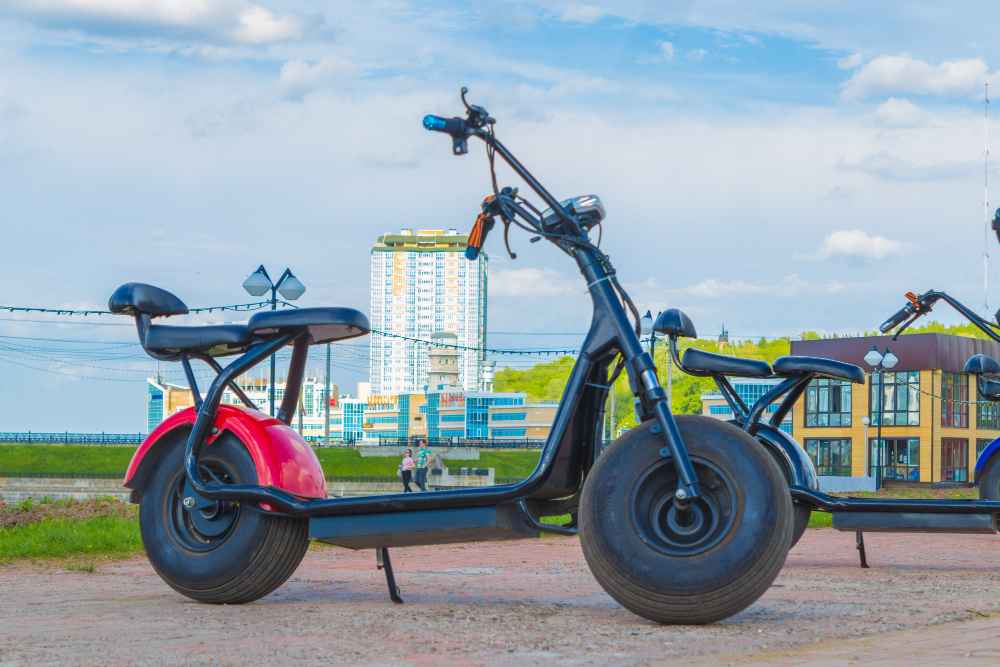
- It has a throttle that propels it without pedalling (except legacy models).
In that case, you’ll need:
- A valid driving licence
- DVLA registration
- Vehicle insurance
- Vehicle tax (if applicable)
- An approved helmet
Failing to comply can result in fines, penalty points, or your bike being seized.
Throttle-Controlled E-Bikes Explained
Throttle-controlled e-bikes are a grey area:
- Pre-2016 throttle bikes may still qualify as EAPCs.
- Post-2016 throttle bikes are generally treated as mopeds unless the throttle only works up to 3.7 mph (6 km/h) to help you start pedalling.
Always check with the manufacturer or retailer before buying.
Where Can You Ride an E-Bike in the UK?
If your e-bike meets EAPC rules, you can ride it anywhere a bicycle is allowed:
- Roads
- Cycle lanes
- Shared cycle paths
- Bridleways
If it doesn’t meet the rules, you can only ride it legally on private land with the landowner’s permission.
Modifying an E-Bike: Is It Legal?
Many riders are tempted to remove speed limiters or fit more powerful motors. But doing so makes your e-bike non-compliant. That means it may be classed as a moped or motorcycle, with all the legal requirements attached.
If you modify your e-bike, it may be illegal on public roads and your insurance (if you have it) could be invalidated in the event of an accident.
Safety Rules for Riding E-Bikes
Even though e-bikes are treated like bicycles, you should still follow safety best practices:
- Wear a helmet (recommended, though not legally required).
- Use front and rear lights at night.
- Keep reflectors and brakes in good condition.
- Buy from reputable UK retailers to avoid unsafe batteries and illegal imports.
FAQs:
Do you need insurance for an e-bike in the UK?
Not if your e-bike meets EAPC rules. Insurance is optional but recommended for theft or damage cover.
Can a 13-year-old ride an e-bike in the UK?
No. You must be 14 or older to legally ride an e-bike on public roads.
Can I ride my e-bike in cycle lanes?
Yes, EAPCs are treated like bicycles and can use cycle lanes and shared paths.
What happens if my e-bike is more powerful than 250W?
It will be treated as a moped or motorcycle. You’ll need insurance, registration, and a driving licence.
Are e-bike throttles legal in the UK?
Only if they assist up to 3.7 mph. Anything more powerful makes the bike a moped by law.
Benefits of Riding a Legal E-Bike
When you stick to the rules, e-bikes offer:
- Zero emissions travel
- Cheaper commutes (no fuel, no tax, no insurance costs)
- Easier hill climbs and longer rides
- Health benefits from assisted pedalling
- Accessibility for riders of all ages and abilities
Conclusion
So, are electric bikes legal in the UK? Yes — if they meet EAPC regulations. Most bikes sold by reputable UK retailers already comply, meaning you can ride without a licence, tax, or insurance.
The key is knowing the difference between a road-legal EAPC and a high-powered model that falls into the moped category. By following the rules, you can enjoy the benefits of cycling with a little extra power, while staying fully legal on UK roads.