Types of Electric Bikes: A Complete Guide for UK Riders

Admin
- September 23, 2025
- 4 Min Read
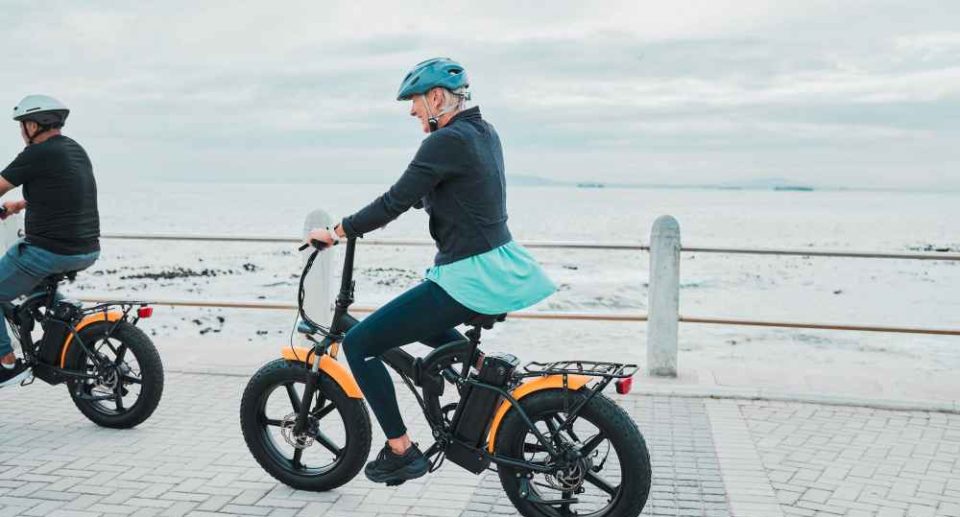
Electric bikes (e-bikes) are revolutionising cycling in the UK. From daily commuting to tackling mountain trails, there’s now an e-bike designed for every lifestyle, terrain, and budget.
If you’re wondering which one is right for you, this guide breaks down the main types of electric bikes, their features, and the best uses for each.
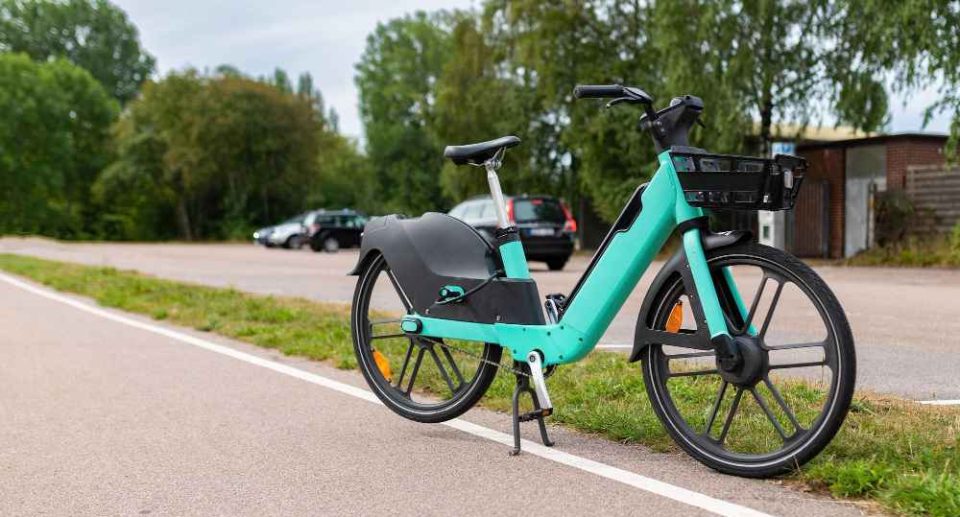
1. Commuter / City Electric Bikes
Best for: Urban riders, daily work commutes, and errands.
- Upright, comfortable riding position.
- Often include racks, lights, and mudguards.
- Typical range: 30–70 miles.
Examples in the UK: Raleigh Motus Tour, Cowboy Cross, Brompton Electric C Line.
2. Folding Electric Bikes
Best for: Train commuters, city dwellers, and those short on storage space.
- Foldable frames—easy to carry on public transport.
- Smaller wheels (16–20”).
- Range: 20–50 miles.
Examples in the UK: Brompton Electric G Line, ADO Air Carbon, Avaka BZ20.
3. Electric Mountain Bikes (e-MTBs)
Best for: Trails, hills, and off-road adventure.
- High-torque motors (70–85 Nm) for climbing.
- Suspension (hardtail or full-sus).
- Larger batteries (500–750 Wh).
Examples in the UK: Trek Rail+, Giant Trance X E+.
4. Road & Gravel Electric Bikes
Best for: Fitness, endurance rides, and mixed surfaces.
- Lightweight builds (13–15 kg).
- Drop handlebars, slim tyres.
- Range: 60–100 km.
Examples in the UK: Ribble Allroad SL e, Decathlon Van Rysel E-EDR.
5. Cargo & Utility Electric Bikes
Best for: Families, couriers, and carrying loads.
- Extended racks or cargo boxes.
- Mid-drive motors for balance.
- Can carry kids, shopping, or business deliveries.
Examples in the UK: Riese & Müller Carrie Vario, Tern HSD S00, Moustache Lundi.
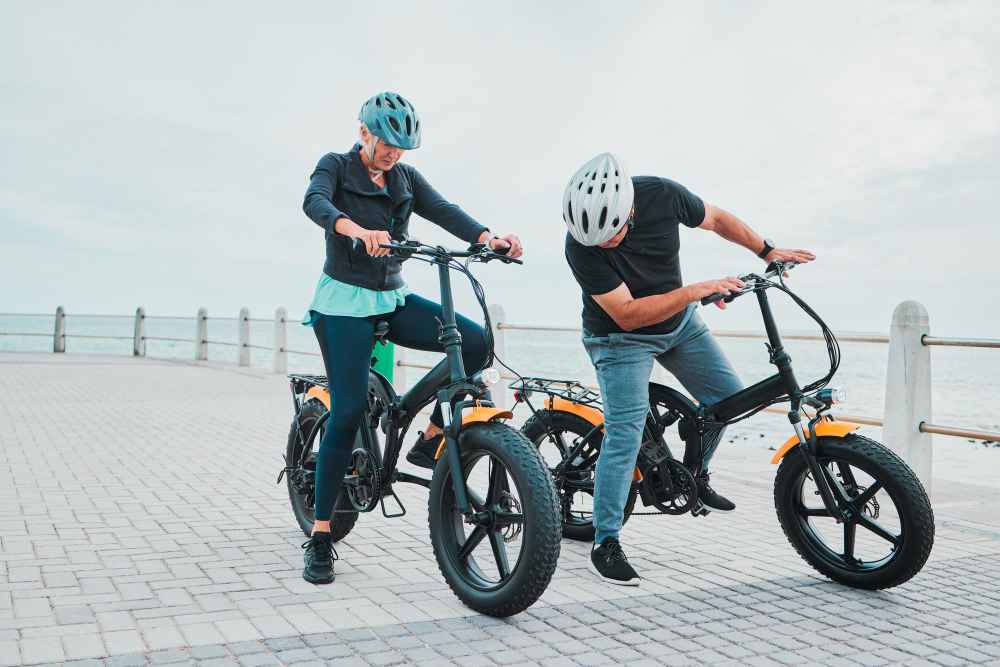
6. Fat-Tyre Electric Bikes
Best for: Sand, snow, and rough terrain.
- Oversized tyres (3.5–5”) for grip and stability.
- Extra powerful motors (500–1000 W).
- Heavier but versatile on difficult surfaces.
Examples available in UK imports: Engwe EP-2 Pro, RadRover.
7. Speed Pedelecs & Hybrid E-Bikes
Best for: Longer commutes and faster cycling.
- Pedal assistance up to 28 mph (45 km/h).
- Require insurance and license in the UK (since they exceed 15.5 mph limit).
- Hybrid designs—part commuter, part road bike.
Example: Stromer ST series.
Motor Types in Electric Bikes
Alongside bike styles, motors make a big difference:
- Hub Motor (front/rear): Affordable, simple, quiet.
- Mid-Drive Motor: Positioned at pedals, more natural ride feel, better climbing, common in premium bikes.
Comparison Table – Types of Electric Bikes
Type | Motor Style | Avg. Range | Best For | Price Range (UK) |
Commuter / City | Hub / Mid-Drive | 30–70 mi | Work commutes, city riding | £1,500–£3,500 |
Folding | Hub Motor | 20–50 mi | Train commuters, small spaces | £1,000–£3,500 |
Mountain (e-MTB) | Mid-Drive | 40–80 mi | Trails, steep climbs | £2,500–£6,000+ |
Road & Gravel | Hub / Mid-Drive | 40–60 mi | Fitness, long rides | £2,000–£4,500 |
Cargo / Utility | Mid-Drive | 50–90 mi | Families, deliveries | £3,000–£6,000+ |
Fat-Tyre | Hub / Mid-Drive | 30–60 mi | Sand, snow, rough terrain | £1,200–£3,000 |
Speed Pedelec | Mid-Drive | 40–80 mi | Long commutes, fast cycling | £3,500–£7,000 |
FAQs About Types of Electric Bikes
What are the main types of electric bikes?
The main categories are commuter/city, folding, mountain (e-MTB), road & gravel, cargo, fat-tyre, and speed pedelecs.
What type of electric bike is best for commuting in the UK?
For city travel, commuter or folding e-bikes are ideal. If you need portability, Brompton Electric is a great UK option.
What is the difference between a hub motor and a mid-drive motor?
- Hub motors are cheaper, quieter, and placed in the wheels.
- Mid-drive motors (at the pedals) feel more natural, climb hills better, and are found in higher-end bikes.
Which type of e-bike is best for hills?
Mountain e-bikes and commuter bikes with mid-drive motors (Bosch or Shimano) are best for steep climbs.
Do speed pedelecs need insurance in the UK?
Yes. Any e-bike over 250 W or faster than 15.5 mph is classed as a motor vehicle in the UK. You’ll need insurance, a license, and a helmet.
Final Thoughts
Choosing the right e-bike depends on how and where you plan to ride:
- City commuting: Commuter or folding e-bike.
- Adventure & trails: Mountain or fat-tyre e-bike.
- Families & businesses: Cargo bike.
- Fitness & speed: Road, gravel, or speed pedelec.
With UK infrastructure improving and more affordable models available, there’s never been a better time to explore the different types of electric bikes and find one that fits your lifestyle.