What Are Electric Bikes? And How Do They Work?

Admin
- September 23, 2025
- 4 Min Read
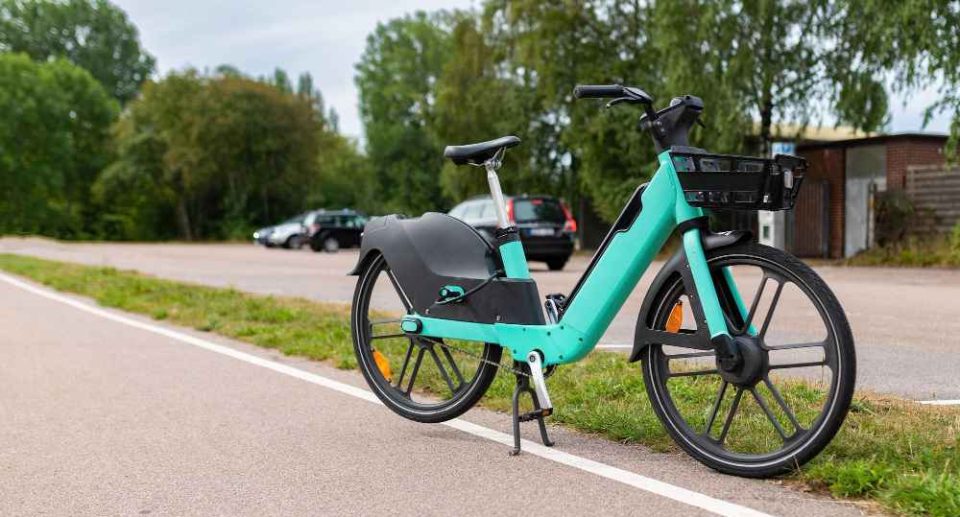
As cities grow busier and people seek greener ways to get around, electric bikes (e-bikes) are becoming the go-to solution for daily commuting, leisure riding, and fitness. But what exactly is an e-bike, and how does it differ from a traditional bicycle?
This guide explains everything you need to know about e-bikes, including how they work, the different types available, their benefits, and whether they’re legal in your area.
What Is an Electric Bike?
An electric bike, or e-bike, is a bicycle equipped with an electric motor and a battery that assists your pedaling. It still works like a regular bicycle, but with a noticeable boost—especially helpful when climbing hills, riding into headwinds, or covering long distances.
In simple terms, you pedal, and the bike helps you pedal faster and easier.
How Do Electric Bikes Work?
E-bikes come with one of two main systems:
- Pedal Assist (PAS): The motor kicks in as you pedal, amplifying your effort.
- Throttle Control: The motor powers the bike with a throttle (like a scooter), no pedaling required.
Most models allow you to switch between assistance levels or ride without motor support if you want more of a workout.
Key Components of an E-Bike
Here’s what powers and controls an e-bike:
|
Types of E-Bikes
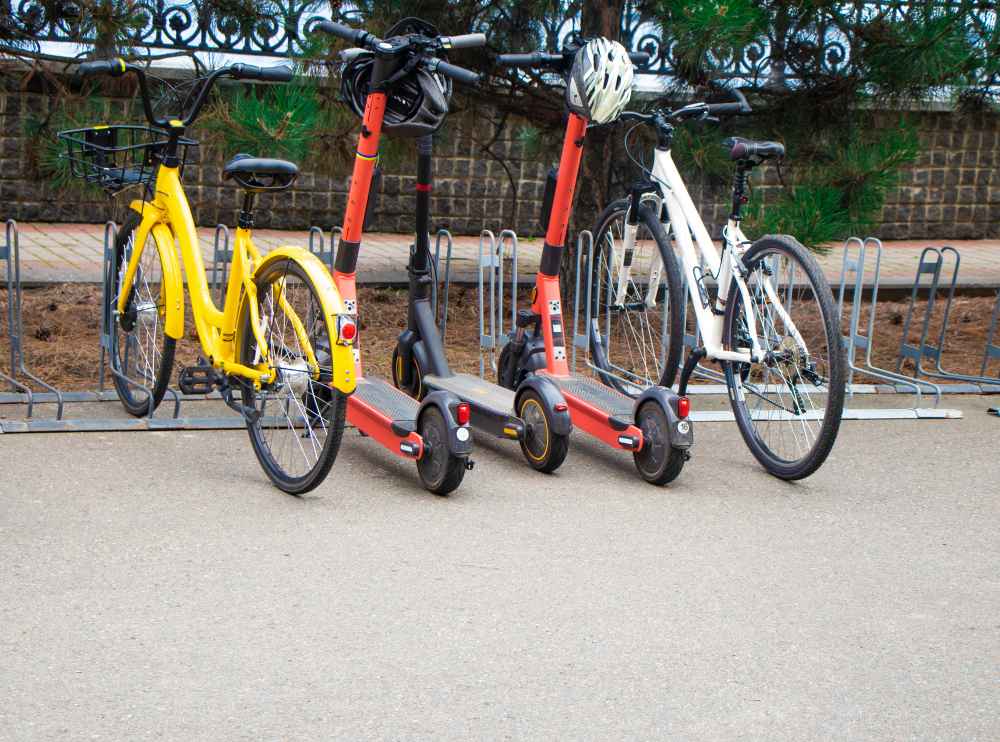
Choosing the right e-bike depends on your needs. Here are the most common types:
1. Commuter E-Bikes
Built for urban travel, with lights, fenders, and a comfortable riding position.
2. Mountain E-Bikes (e-MTBs)
Designed for trails and rough terrain. These have suspension systems and durable frames.
3. Folding E-Bikes
Compact and portable—perfect for city dwellers or public transport users.
4. Cargo E-Bikes
Heavy-duty e-bikes that carry kids, pets, or deliveries. Ideal for small businesses.
5. Road E-Bikes
Lightweight, aerodynamic options for long-distance or fitness-focused rides.
Key Benefits of E-Bikes
Electric bikes aren’t just trendy—they’re practical, sustainable, and fun. Here’s why:
- Eco-Friendly: Zero emissions, reduced carbon footprint.
- Cost-Efficient: Save on fuel, parking, and public transport.
- Fitness-Friendly: Boosts activity while reducing joint strain.
- Time-Saving: Avoid traffic and shorten commute times.
- Inclusive: Suitable for older adults, people recovering from injuries, or those with mobility challenges.
Are E-Bikes Legal in the UK?
Yes—but with regulations. In the UK, an e-bike is legal to ride without a license if it:
- Has pedal assist only (no throttle over 6 km/h)
- Provides assistance up to 15.5 mph (25 km/h)
- Has a motor power not exceeding 250W
- Riders must be 14 years or older
For updated rules, visit the UK Government website: E-bike Rules and Regulations (gov.uk)
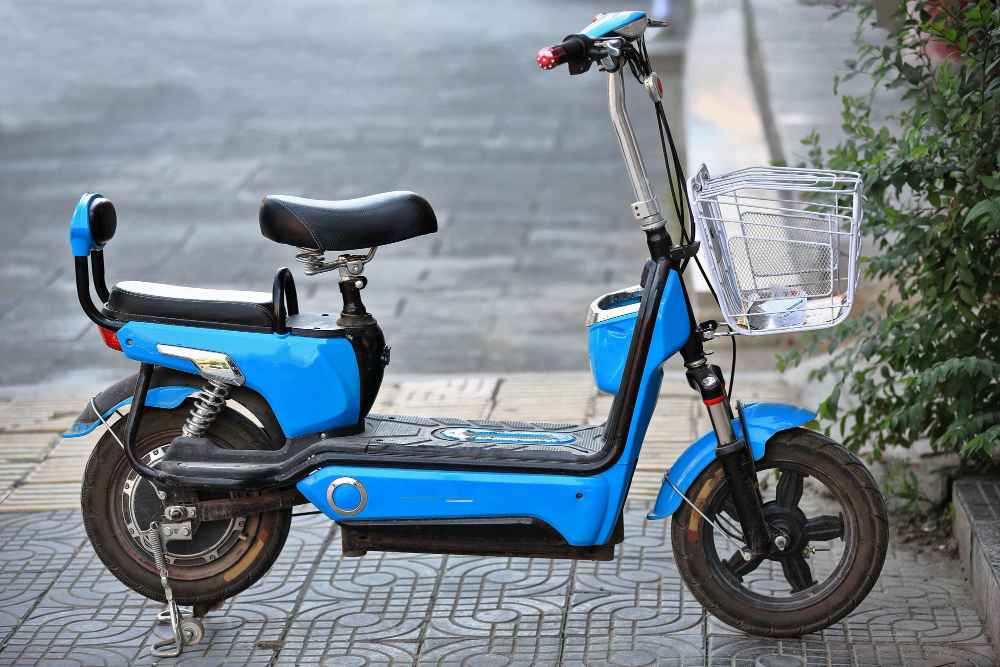
E-Bike vs Regular Bike: What’s the Difference?
Feature | E-Bike | Regular Bike |
Motor Assistance | Yes | No |
Speed | Faster with less effort | Depends on the rider’s effort |
Weight | Heavier (due to battery/motor) | Lightweight |
Cost | More expensive upfront | Lower initial cost |
Fitness Level | Beginner-friendly | Requires more endurance |
Frequently Asked Questions
How far can an e-bike go on one charge?
Most e-bikes range from 20 to 70 miles, depending on battery size, terrain, rider weight, and assistance level.
Do I need to pedal an e-bike?
Yes, in pedal-assist mode. Some models also offer a throttle for no-pedal movement (check your local laws).
How long does it take to charge the battery?
Typically, between 3 to 6 hours. Some high-end models charge faster.
Is an e-bike good for fitness?
Absolutely. E-bikes still require pedaling, so you get a cardio workout—but with less strain on your joints and muscles.
Final Thoughts: Is an E-Bike Right for You?
Whether you’re commuting, exploring, or just want an easier way to enjoy cycling, e-bikes offer the perfect mix of convenience and performance. They’re a fantastic option for people of all ages and fitness levels.